What will you do to improve child care access and affordability in Alaska?
Governor
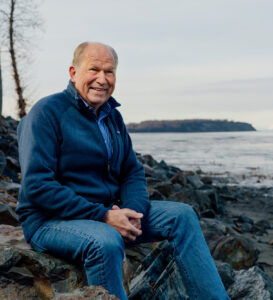
Bill Walker
Nonpartisan candidate for Governor
Child care options are profoundly lacking in every community in Alaska. Heidi knows this firsthand, as her family struggled to find child care for her daughter Olive and spent months on waitlists until a spot opened up. The struggle for parents is real, and we cannot have a functioning economy without high-quality, accessible, affordable child care. There is no easy fix to this problem, but we cannot speak about family values unless we also put our money where our mouth is. The state should act as a conduit to solutions and be open to the possibility of increased state incentives for child care businesses. This could mean loan funds, capital investments or direct incentives.
We will form a Childcare Working Group to prepare policy recommendations in the first year of our administration, with four ideas on the table for review: 1. finding a way for communities, Tribes, and businesses to pay for childcare workers to receive state health insurance and benefits to help with recruitment and retention, 2. expanding availability of funding for direct child care incentives throughout the state, 3. repurposing of vacant state facilities to host child care services, and 4. establishing a Childcare Trust Fund to fund systematic approaches that create living wages, increase benefits and create better training for businesses and workers to expand childcare access.
We will work with local governments to receive their local boots-on-the-ground input and wisdom on this critical issue.

Charlie Pierce
Republican candidate for Governor
I will evaluate existing programs and make improvements and adjustments as needed.

Les Gara
Democratic candidate for Governor
Other states have moved forward with models that help, and this governor, instead, just vetoed $4 million in child care assistance this summer. We should work on choosing the best, most effective of those plans. Other states, and the City of Juneau, have programs that, at no cost to providers, help train child care workers to get the education they need to be better providers, and help supplement the wages of trained child care workers (Wage$ in Tennessee for example). Colorado helps reduce the cost of care through aid to help pay for child care facility rent and fixed costs.
We also need quality universal pre-K, not just the partial pre-K we have. That helps families, and helps children enter school ready to read and ready to learn. I’ve proposed universal pre-K as a legislator, and it needs to be passed.

Mike Dunleavy
Republican candidate for Governor
We know that access to child care was an issue in Alaska before the pandemic, and that challenge has only become more significant since then. In 2020, the state developed its Early Childhood Alaska Strategic Plan that identified goals to advance early childhood issues, including child care and education and creating a larger child care workforce. In addition, we have completed our spending plan using pandemic relief funds that will provide $95 million in resources in a comprehensive effort to increase our child care capacity and accessibility through facilities, workforce and aid to qualified families. Anyone interested in learning more about our child care plans can visit the Division of Public Assistance page hosted by the Alaska Department of Health. We have also entered into a partnership between the health department, thread, and the Rasmuson Foundation on a stakeholder-driven initiative to improve child care access that will begin convening this fall to develop a strategic plan to achieve these shared goals. The health department is providing funding and policy team resources to this joint effort.